
Pablo Busch
Assistant Professor, Pontificia Universidad Católica de Chile
Ph.D. Energy Systems and M.Sc. Statistics & Environmental Policy, UC Davis
Former Postdoc, Sustainable Solutions Lab, Stanford Doerr School of Sustainability
I am an Assistant Professor at Pontificia Universidad Católica de Chile, in Civil Engineering and in the Institute for Sustainable Development.
My research starts from one premise: the energy transition is, above all, a materials problem.
I build quantitative models to understand our future material needs, how circularity can reduce that demand, and who bears the environmental and health costs in a clean energy future.
My goal is to provide qualitative recommendations towards a sustainable energy transition.
Research lines
Energy transition minerals
How global demand for energy transition minerals (e.g., lithium, copper) translates into mining expansion, and the local environmental impacts of that expansion.
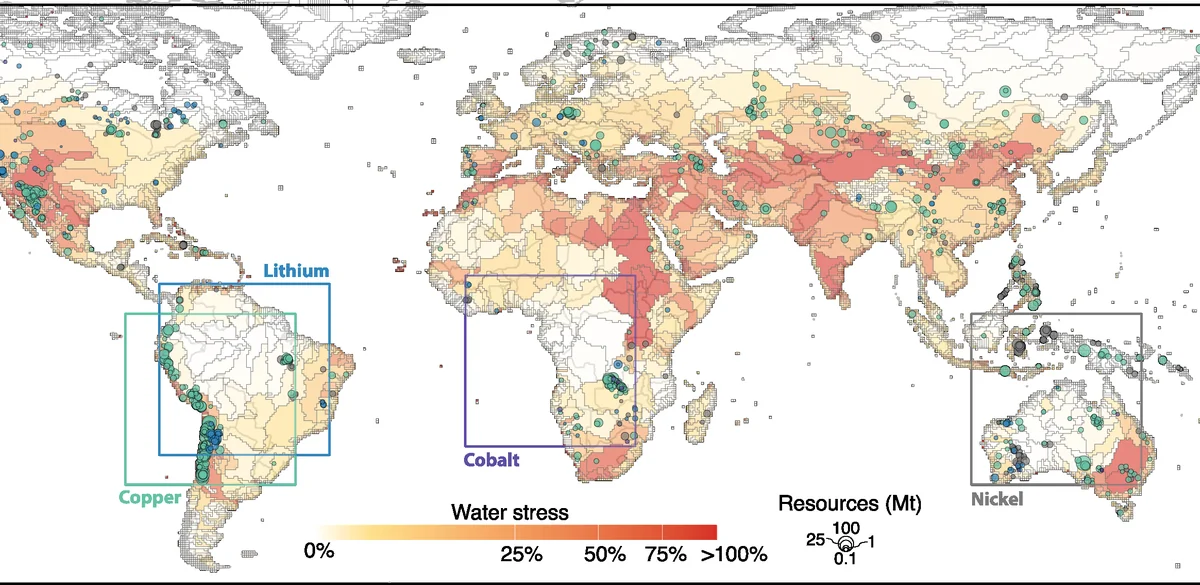
Battery mineral resources and their intersection with water-stressed basins.
Selected publication Reducing water stress from mining battery materials — Research Square, 2026
Circular economy
How much of our future material demand can be avoided through system improvements, such as efficiency gains, lifetime extension, second life, and recovery at end-of-life.
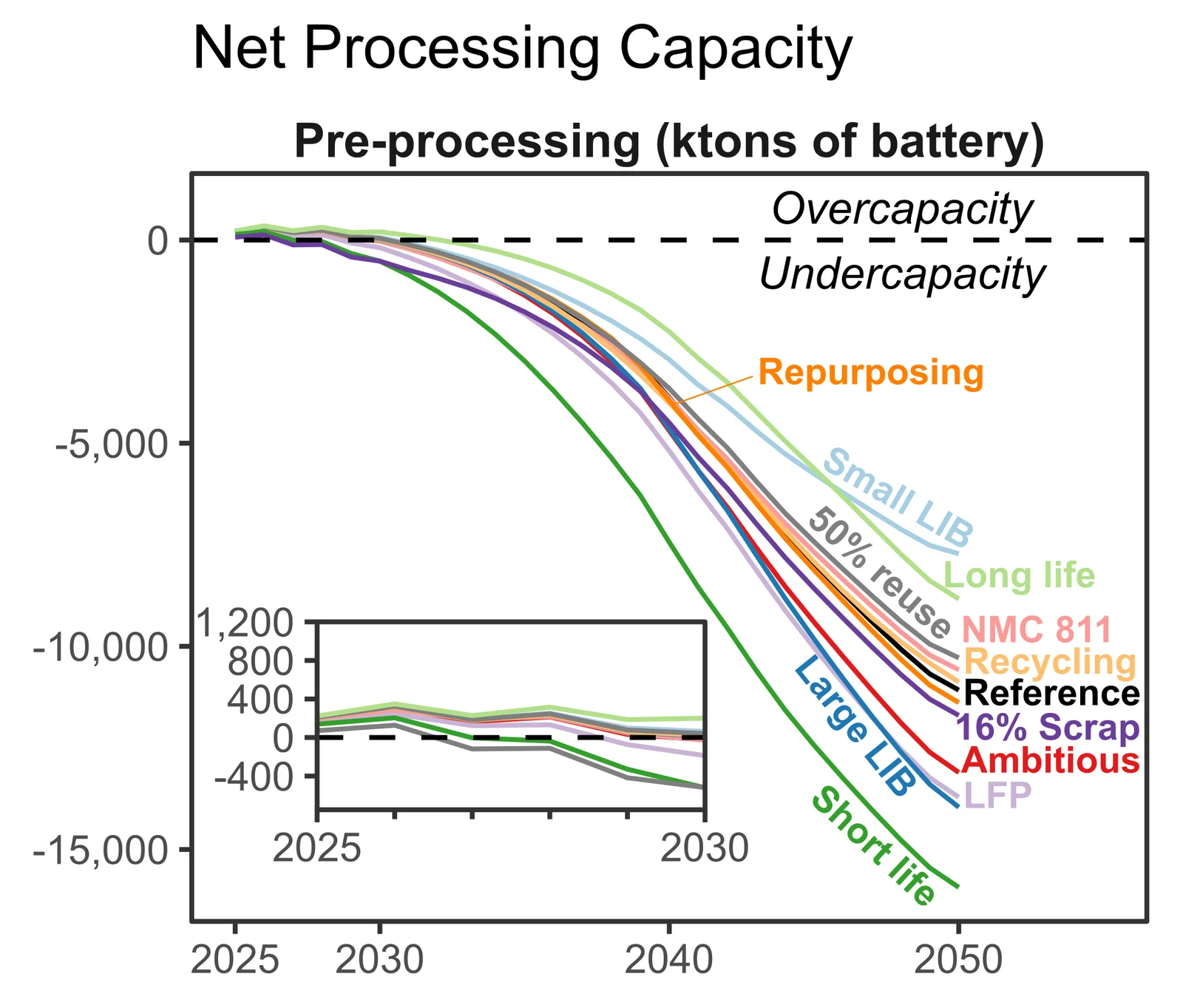
Battery recycling capacity deficit in North America under different circular economy levers.
Selected publication Effects of Demand and Recycling on the When and Where of Lithium Extraction — Nature Sustainability, 2025
Environmental impacts and public health
Where the environmental costs of our energy and material consumption land, on whom, and to what degree.
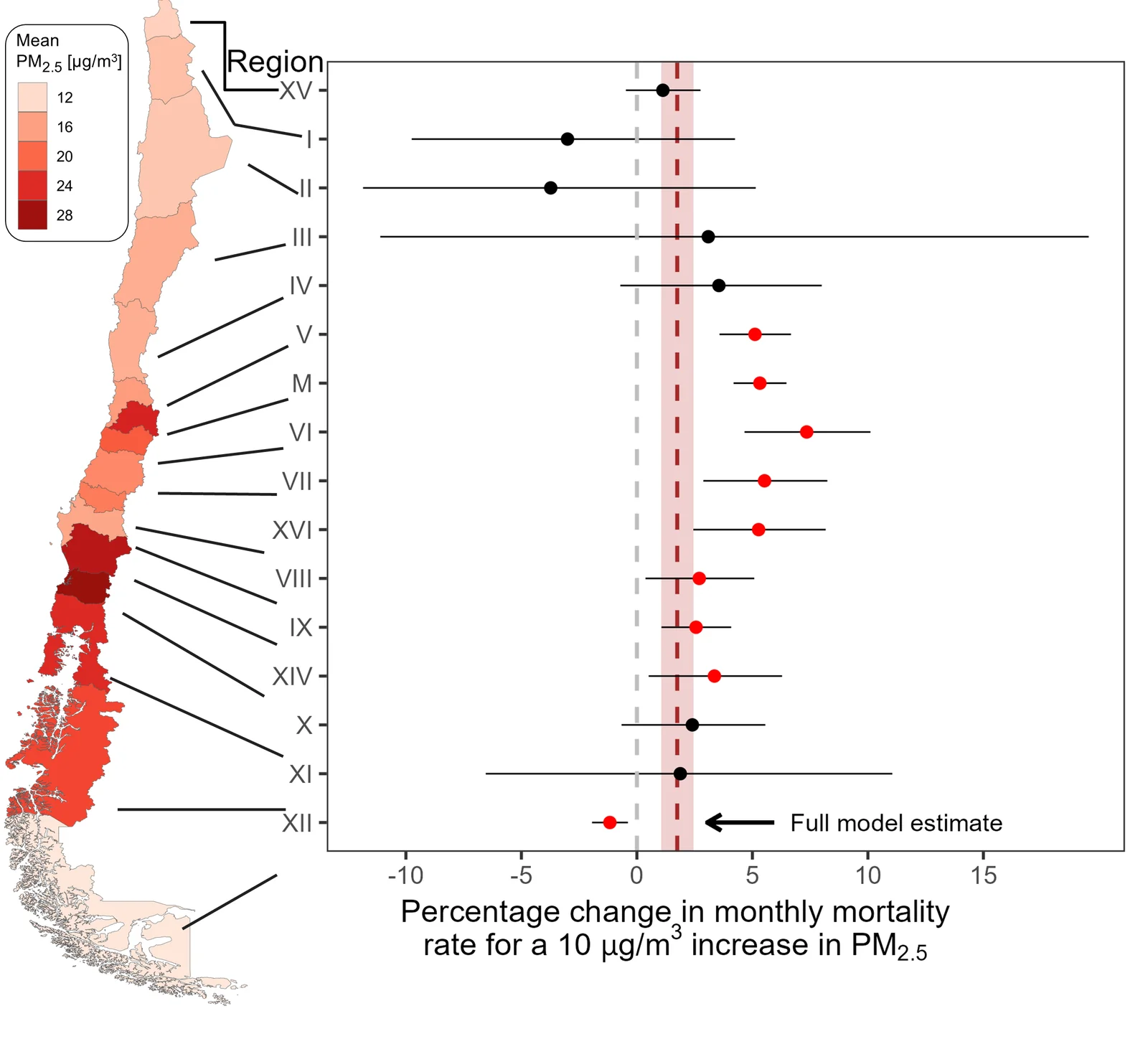
Empirical mortality effect of increased PM2.5 exposure for the elderly (75+).
Selected publication Short-term exposure to fine particulate pollution and elderly mortality in Chile — Communications Earth & Environment, 2024
Decarbonization and life cycle assessment
Policies and life cycle emissions of hard-to-abate sectors and energy carriers, such as cement and hydrogen.
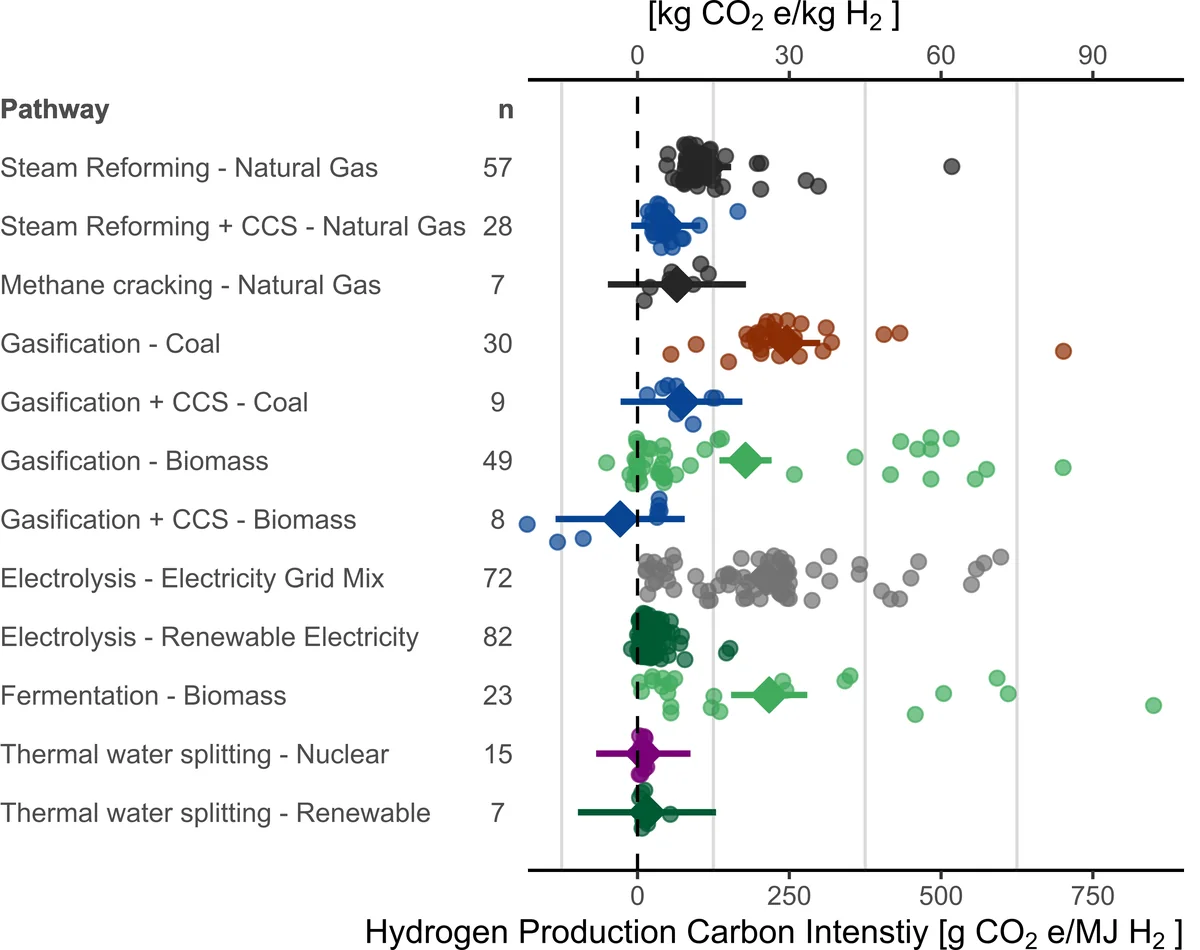
Carbon intensity of different hydrogen production pathways.
Selected publication Literature review on policies to mitigate GHG emissions for cement and concrete — Resources, Conservation and Recycling, 2022